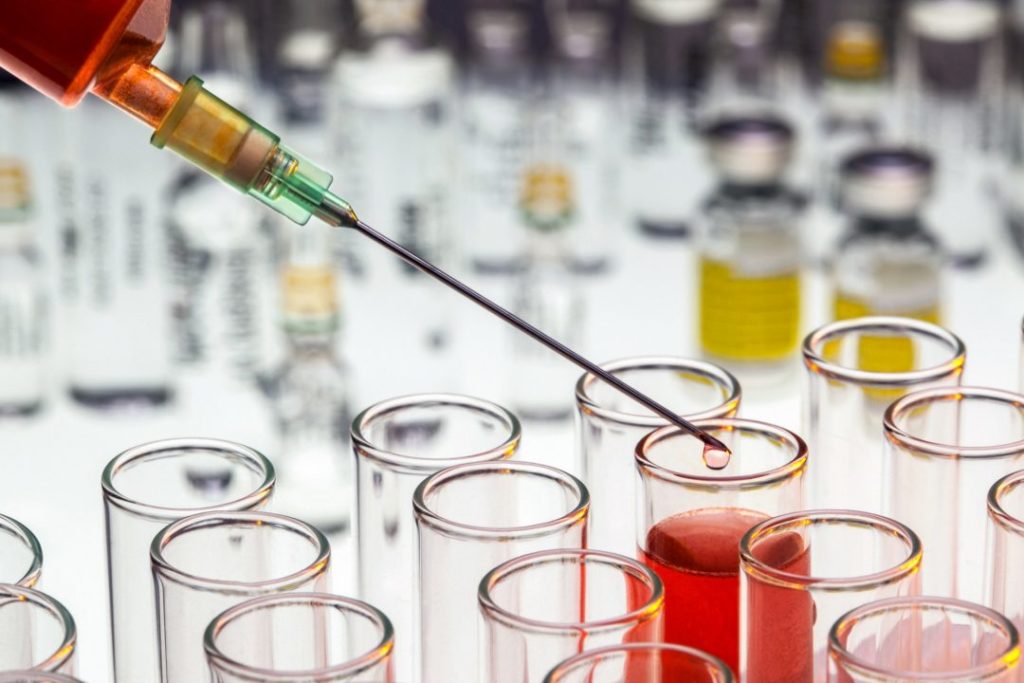
Design of specific oligo pairs for the PCR amplification of a target DNA region and optimization of the amplification.
Plain PCR
In vitro amplification of a target DNA fragment without cloning, from any sample from which DNA can be isolated or that we receive as purified DNA.
Lactose intolerance testing
PCR-based analysis of DNA isolated from mucosal samples for lactose intolerance testing.
BRCA-targeted mutation testing
PCR-based detection of mutations in the BRCA1 and BRCA2 genes using primers designed for the corresponding regions.
PCR for sequencing
Pre-sequencing PCR for capillary sequencing of samples.
Multiplex PCR
PCR amplification of multiple target regions in a single reaction.
qPCR
Real-time quantitative PCR for measuring the PCR product generated after each cycle. Detection is based on fluorescent dyes or probes, depending on the application.
Probe-based qPCR
Specific probe-based qPCR, such as TaqMan-based detection, for more detailed analysis and real-time monitoring of PCR amplification. The LightCycler® 480 (Roche) real-time PCR instrument is routinely used in our laboratory.
Capillary sequencing
Sanger sequencing of single DNA isolates, PCR products, or plasmids using the ABI 3500 Genetic Analyzer capillary sequencer.
Fragment analysis
Separation of DNA fragments by length after specific labelling PCR, using the ABI 3500 Genetic Analyzer with resolution of up to 1 nt.
Analysis of formalin-fixed paraffin-embedded samples
DNA isolation and analysis from formalin-fixed paraffin-embedded samples using the technology of choice.
If the service you are looking for is not listed, or you require specialist modification to an existing process, please do get in touch, and our team will build a bespoke offering with you.